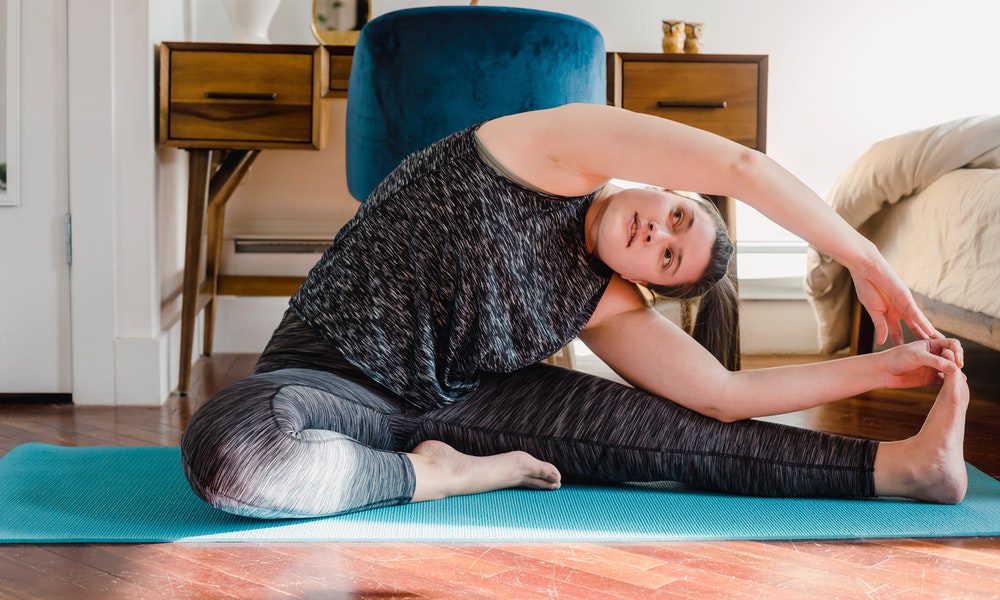
Working out at home sounds simple until the time comes to actually do it. There may be no commute, crowded gym, or complicated schedule, yet staying consistent can still be difficult.
The difference often comes down to small habits. People who exercise at home regularly tend to prepare ahead, keep their setup simple, choose workouts they enjoy, and make room for flexibility.
These habits can turn home exercise from something easy to postpone into a routine that fits naturally into the day.
Start With a Clear Plan

Magnific | Set a specific time for your home workout to turn daily exercise from a choice into a routine.
A home workout becomes easier when the decision has already been made. Instead of waiting for motivation, choose a workout and set a specific time for it. This removes the daily question of whether to exercise and gives the session a clear place in the schedule.
Planning does not need to mean following a strict program. A weekly outline can provide structure while still leaving room for changes. For example, a person may plan strength training on Monday, cycling on Wednesday, and a mobility session on Friday. If plans change, the workout can move without turning one missed session into an abandoned routine.
Les Mills Head of Research Bryce Hastings recommends the SMART START approach for people beginning a fitness routine. The idea centers on starting gradually, controlling workout duration and intensity, and increasing the challenge as fitness improves.
Enjoyment also matters. Choosing activities that feel manageable and planning in one-week blocks can make the routine easier to maintain.
Make the Workout Area Ready
A dedicated workout space does not need to be a full home gym. A clear section of a bedroom, living room, garage, or office may be enough. The main purpose is to remove setup work before exercise begins.
Experienced home exercisers often keep basic items together, such as weights, a mat, towel, and water bottle. This small arrangement can create a useful visual reminder that the space has a purpose.
Home exerciser Laurie A. Lucas says a dedicated area helps with accountability: “It’s how we stay accountable!”
The screen setup can also affect the workout experience. A phone or tablet works for many sessions, but a larger TV can make it easier to follow movements and stay focused. Good audio can help as well.
Katarina Berggren from Sweden prefers headphones for early workouts because “I use headphones so I don't wake the family.” Headphones can also reduce distractions and make an outdoor or indoor session feel more focused.
Keep Equipment Simple
Home fitness does not require a room filled with machines. Many effective exercises use body weight alone, while a small amount of equipment can add resistance when needed.
For strength workouts such as BODYPUMP™, Les Mills Creative Kylie Gates notes that even one or two weight plates can create a solid strength-building stimulus. That makes it possible to begin with a modest setup and add equipment only when it serves a clear purpose.
Equipment can also provide a psychological boost. Buying useful gear gives some people a stronger reason to use the space they created. Cathy Sheppard has gradually invested in exercise equipment and says quality gear helps maintain motivation because “I know I am putting my money to good use.”

Magnific | Drazen Zigic | You don't need a full gym setup at home, bodyweight movements and light equipment are enough.
There is also room for inexpensive solutions. UK-based cycling enthusiast Jennifer Martin fitted a stand to her bike to hold a 15-inch laptop for viewing RPM and THE TRIP. Her solution cost “the best part of £5.”
The lesson is practical: equipment should solve a problem, not create one. Start with what is available, then add pieces that make training more comfortable or effective.
Download Workouts Before Training
Internet problems can derail a workout before it even starts. Downloading a selected session in advance removes that obstacle and saves time when the workout window arrives.
This habit also supports planning. Debbie Tonkin explains, “I plan ahead which workout I want to do, download it, and set a time to do it!”
Preparation can have a measurable effect on exercise habits. A year-long study involving 1,134 people who were new to exercise found that participants who combined clear goals and enjoyable workouts with preparation and cue-based habits exercised 200% more often than those who received none of these tools.
The practical idea is straightforward. Decide when the workout will happen, prepare the equipment, choose the session, and think about what could get in the way. A few minutes of preparation can prevent several reasons to delay.
Gosia Mider describes the benefit of choosing a workout ahead of time: “All I have to do is follow the screen.” That simplicity matters when energy or motivation is low.
Build Structure Without Rigidity
A routine should provide direction without becoming a source of pressure. Strict schedules can work for some people, but flexibility often helps a routine survive busy days, tired mornings, travel, or unexpected commitments.
Gosia Mider follows a training plan but still gives herself room to change it. Her approach is simple: “The main thing for me is to enjoy the workout and not just do it because I feel I must.”
Carol Yuen, who is based in Hawaii, also plans workouts ahead. She says, “I do the planning so I don't have to spend time thinking about what to do that day or the next.” At the same time, she allows herself to adjust the plan when circumstances change.
That balance can prevent an all-or-nothing mindset. Missing one planned session does not erase previous progress. A flexible routine makes it easier to return to exercise instead of abandoning the schedule altogether.
Find a Motivation Trigger

Magnific | From tracking personal records to gearing up in great clothes, exercise motivation is inherently personal.
Motivation looks different from person to person. For some, progress provides the strongest reason to continue. For others, music, workout clothes, equipment, or a favorite type of exercise creates enough excitement to get started.
Gosia Mider uses bright and playful workout clothes as a source of motivation, including “a tutu and rainbow wings!” The approach may sound unusual, but the principle is useful: make exercise personally enjoyable.
Cathy Sheppard finds motivation by looking at progress over time. “It is cool to see where I started and where I am now. It's a real motivation.”
Tracking progress can take many forms. It might involve recording workout frequency, increasing resistance, improving endurance, completing more repetitions, or simply noticing that certain movements feel easier. Visible progress gives the routine a purpose beyond checking a box on the calendar.
Remove Small Barriers
Consistency often depends less on willpower and more on convenience. A workout becomes easier to start when the required decisions have already been handled.
Prepare clothes before bed. Put the equipment in one place. Clear enough floor space for movement. Download the selected workout. Set a realistic start time. These actions may seem minor, but together they create a smoother path from intention to exercise.
It also helps to reduce distractions. A prepared workout area and a selected session can prevent the first few minutes from disappearing into phone notifications, browsing, or deciding what to do.
The same principle applies to workout length. A shorter session can be more useful than skipping exercise because there was not enough time for a longer one. Building a routine around realistic expectations keeps exercise manageable.
A sustainable home workout routine should fit naturally into everyday life. The right setup does not need to be elaborate; it simply needs to make exercise convenient and enjoyable.
Planning workouts, keeping essential equipment ready, and choosing activities that feel rewarding can make it easier to stay on track. At the same time, allowing room for schedule changes prevents one missed session from becoming a reason to stop.
The real measure of a successful home routine is not how demanding it looks, but how consistently it can be maintained.