Social media has turned sleep advice into a daily scroll, with tips ranging from simple bedtime habits to unusual remedies.
A new study found that nearly half of adults in Britain have tried at least one sleep hack they discovered online, even though many remain unsure whether these trends actually work.
The study surveyed 2,000 adults in the UK and found that people had tried an average of two different sleep methods promoted on social media during the past year.
The research also included 13,000 adults across 12 countries, giving a wider view of how people respond to online wellness advice.
Popular Sleep Hacks

Magnific | Nearly a third of British adults have tried online sleep hacks, with 28% turning to herbal tea to fall asleep.
Some of the most common methods were fairly familiar. Around 39% of UK adults said they had tried avoiding blue light or screens before bed. Another 31% listened to white, brown, or other sleep-focused sounds. Herbal tea also attracted 28% of respondents who were looking for an easier way to settle down at night.
Other trends took a less conventional route. About 7% had eaten kiwi fruit before bed, while the same percentage had tried a “sleepy girl” mocktail. Around 6% even followed the unusual suggestion of putting onions in their socks overnight.
Despite the variety of advice online, Brits appeared more cautious than people in several other countries. Forty-eight percent of UK respondents had tried a social media sleep hack during the previous year, compared with an average of 71% across the countries surveyed, including the United States, Australia, France, and China.
Do These Hacks Work?
The findings show a clear gap between trying a sleep trend and finding it useful. Among people who used magnesium sprays, oils, or supplements, only 17% said they noticed better sleep.
Just 5% said bedtime “sleepy girl” mocktails, tart cherry juice, or kiwi helped. The figure fell to 4% among those who tried putting onions in their socks.
Even some of the more familiar recommendations produced modest results. Only 31% of people who avoided blue light or screens believed the change improved their sleep. White or brown noise helped 26%, while only 14% said sleep-tracking devices made a noticeable difference.
The research, conducted by OnePoll, also found that 16% of Brits had followed a sleep trend before discovering that it lacked scientific support.
Sleep expert Olivia Arezzolo said: “It is important to give ourselves the best chance of a successful night’s sleep as we wind down in the evenings.”
She added, “Sorting fact from fiction and uncovering which viral fads are worth your time can feel like a minefield. While some popular sleep hacks have a scientific basis, many are oversimplified, exaggerated or simply ineffective.”
Growing Interest in Wellness

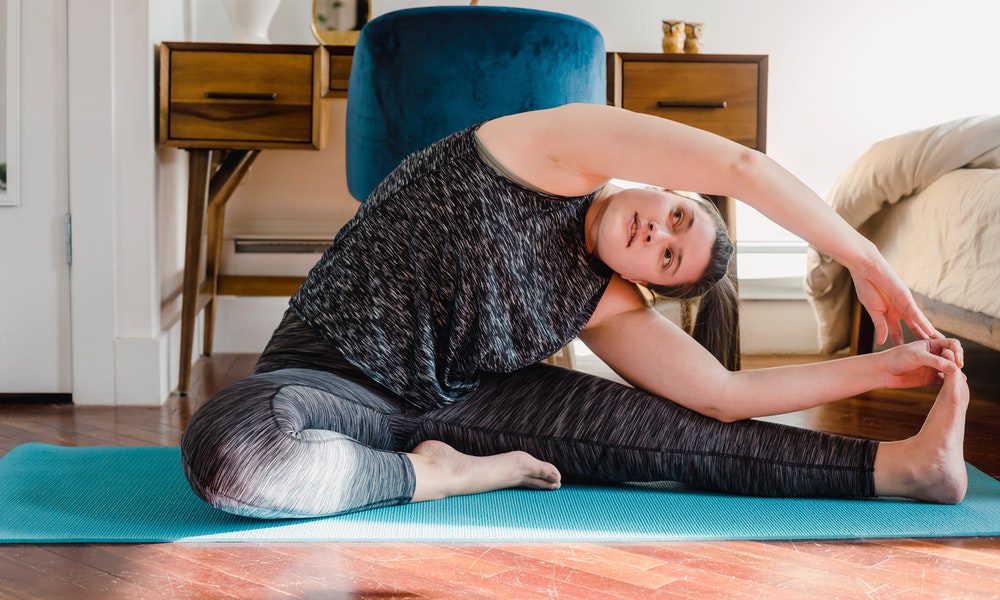
Magnific | Long-term wellbeing and good sleep come from sustainable daily routines, not viral quick fixes.
Social media remains a complicated source of health information. Although 66% of UK adults said these platforms make wellness advice harder to trust, 26% had still followed online sleep advice despite questioning their ability to identify misinformation.
At the same time, the study points to growing interest in long-term health. About 65% of respondents said they care more about their long-term health than they did five years ago. Another 69% said sufficient sleep is important for living a longer and healthier life.
Sleep quality remains a concern, too. Thirty-nine percent wished they were better at getting enough sleep, while 56% said they would not describe their current sleep pattern as good quality.
A More Practical Approach
Arezzolo said, “Good sleep isn’t about finding a miracle cure or viral shortcut. It’s about building sustainable routines that work for you and understanding that the choices you make each day can have a lasting impact on your long-term wellbeing.”
She also said practical habits around eating, sleeping, moving, and connecting with others can support long-term wellbeing.
The comments came as Arezzolo partnered with Novotel for a sleep masterclass during the hotel chain’s worldwide Longevity Week, held from September 7 to 13. Other partners included Olympic surfing champion Kauli Vaast, food creator and recipe developer Alfie Steiner, Paris Saint-Germain legend and former soccer player Javier Pastore, and wildlife photographer and marine biologist Kaushiik Subramaniam.
The findings suggest that online sleep advice can influence everyday habits, but popularity does not guarantee results. Many Brits are willing to experiment with viral ideas, yet the reported benefits vary widely.
For people seeking better sleep, the research highlights the value of separating evidence-based habits from social media trends. A simple bedtime routine may offer more practical value than chasing the latest viral remedy.
As Arezzolo put it, the goal is to share “practical, science-backed habits that can make a real difference to everyday health.”